6. How to Remove a Tick Safely
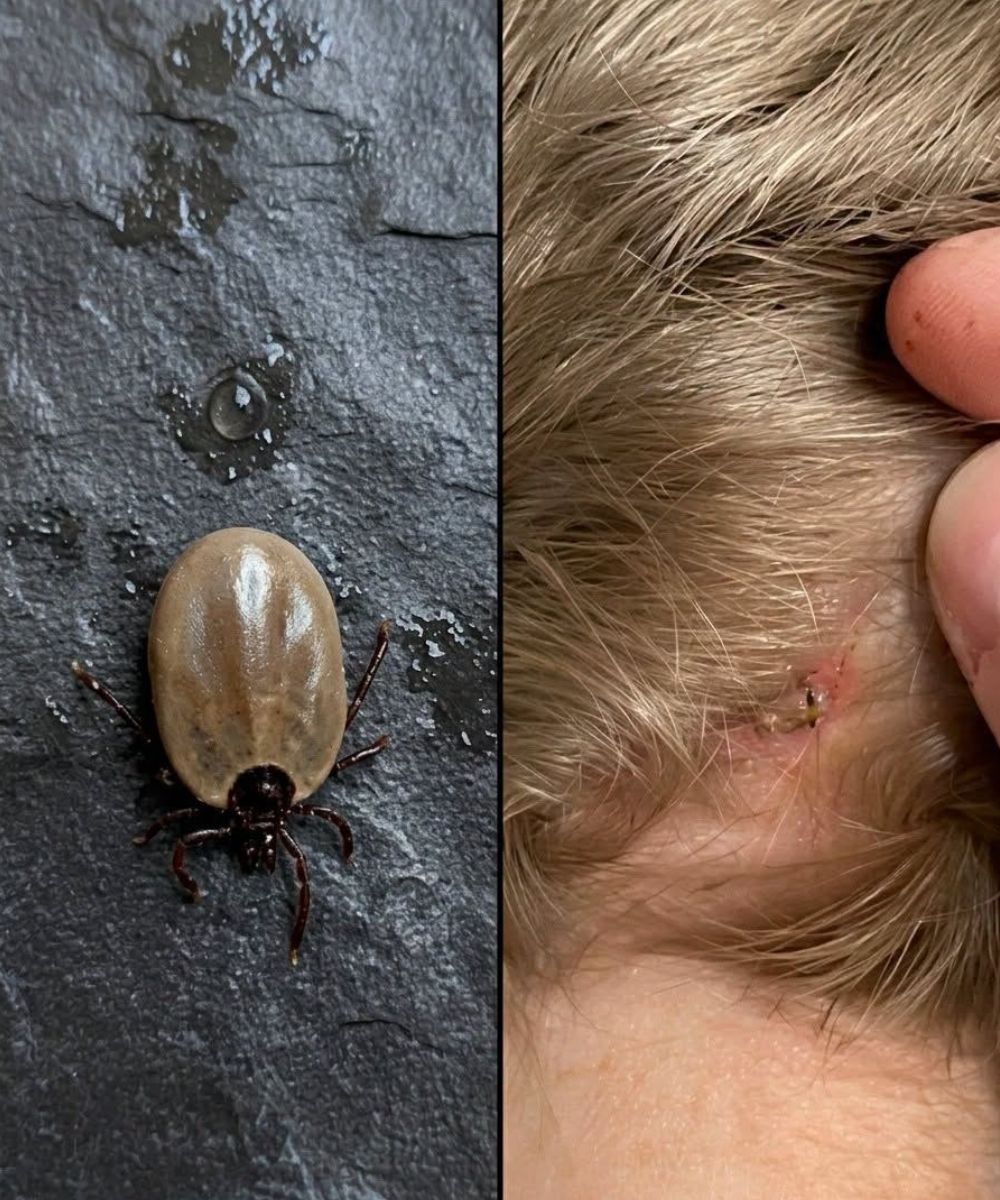
Use fine-tipped tweezers to grab the tick as close to the skin as possible. Pull upward slowly and steadily. Do not twist, crush, burn, or cover the tick with oil. These methods can make removal harder or increase irritation.
After removing the tick, clean the skin with soap and water or rubbing alcohol. Wash your hands well. If possible, save the tick in a sealed bag in case a doctor needs to identify it later.

7. How to Prevent Tick Bites
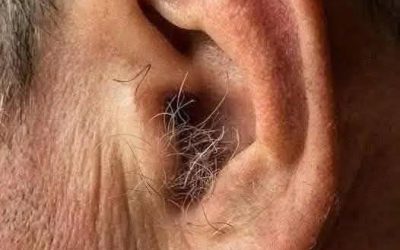
To reduce the risk of tick bites, avoid walking through tall grass or thick bushes when possible. Wear long sleeves, long pants, and closed shoes when going into wooded or grassy areas. After outdoor activities, check your body carefully, especially the scalp, behind the ears, underarms, waistline, behind the knees, and ankles.
Pets should also be checked because ticks can hide in their fur and later move indoors.
8. Final Thoughts
Ticks may look small, but their bites can lead to serious health problems. Not every tick carries disease, but every tick bite should be taken seriously. The best protection is early removal, proper cleaning, and careful monitoring for symptoms. A small bite may seem harmless at first, but paying attention early can prevent bigger health risks later.